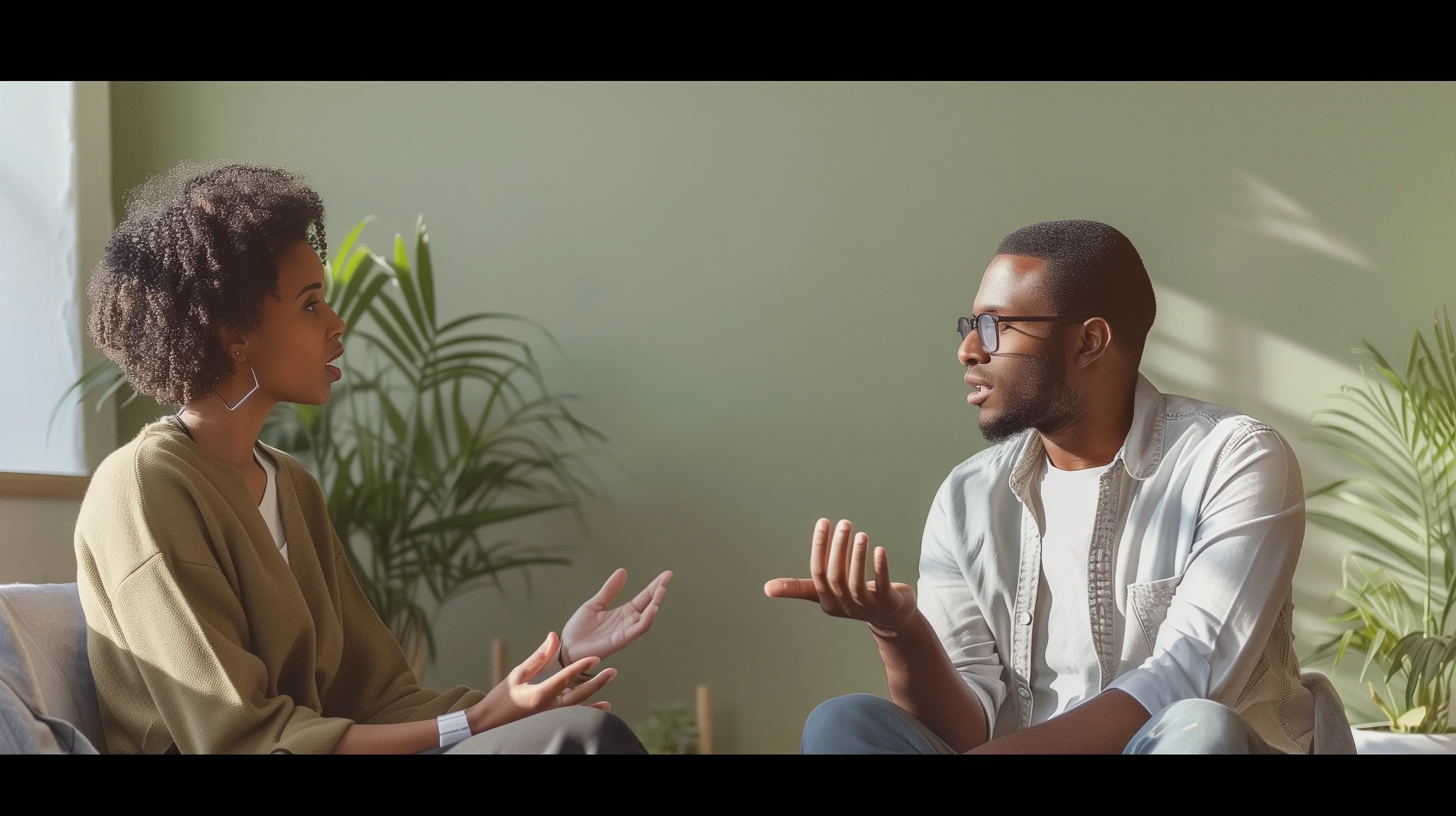
You know the feeling. The conversation starts out simple, maybe even calm, and suddenly everything shifts. Your heart starts racing. You feel defensive, overwhelmed, hurt, or shut down. Before you know it, you and your partner are no longer talking to each other. You are reacting at each other.
Moments like this leave many couples asking themselves: Why do I get so triggered? Why does my partner shut down when I try to talk? Why does a small moment lead to such a big emotional reaction?
It is easy to assume these reactions mean something is wrong. Wrong with you, wrong with your partner, or wrong with your relationship.
But here is the truth that changes everything: Your reactions are not random. They are not character flaws. They are protective responses rooted in attachment, the hardwired system within us designed to keep us connected to the people we love.
When we understand this hidden logic behind our emotions through couples counselling, our reactions stop being something to fear or judge. They become signals pointing to what we need most in our relationship.
Attachment: The Science Behind Why We React
As humans, we are not just thinking beings. We are relational beings. We do not just want connection. We are wired for it. From birth, our nervous systems are programmed to monitor emotional closeness with those we depend on for love, safety, and belonging.
So when your emotional bond with your partner feels uncertain or threatened, even in subtle ways, your attachment system may activate a protective response.
This response is often not conscious. It can happen automatically, faster than logic can catch up. That is why you may realize only after a conflict that you were reacting out of fear, not intention. This is part of what we explore in our therapeutic approach, helping you understand these automatic responses with compassion.
The Two Most Common Attachment Responses
When emotional safety feels at risk, people typically respond in one of two ways. Both are completely normal.
The Pursuing Response: Reaching for Connection
You may:
- Try to talk it out immediately
- Ask questions to seek reassurance
- Raise your voice or speak urgently when you feel ignored
- Feel hurt if your partner does not respond right away
The underlying message: “I care about us so much. I need to feel close to you to know we are okay.”
This is not “being needy.” This is an instinct to reconnect when closeness feels threatened. Many people experiencing anxiety in relationships find themselves in this pattern.
The Withdrawing Response: Moving Toward Protection
You may:
- Get quiet or shut down
- Try to stay calm or avoid conflict
- Retreat to think before responding
- Feel overwhelmed or like you are already failing
The underlying message: “I care about us so much. I need to step back so I do not make things worse.”
This is not “being cold.” This is an instinct to protect the relationship when you feel you cannot get it right. During life transitions, this response often intensifies.
Both Responses Come From the Same Place
Most couples do not realize that both partners are reacting for the same reason: they care deeply about the relationship.
- The pursuer reaches not to control, but to reconnect
- The withdrawer retreats not to avoid, but to prevent further hurt
When couples begin to see this through EFT therapy, something powerful can happen. Blame may transform into understanding. Defensiveness can soften into compassion. Disconnection becomes an invitation to come closer in a new way.
Your Nervous System Is Trying to Help You Feel Safe
When your brain perceives emotional distance, it may trigger a stress response. This can look like:
- A racing heart
- A sinking feeling in your stomach
- Sudden irritability
- Desire to escape or go numb
Instead of seeing these as “overreactions,” we can view them as signals. Your body is alerting you that something important, emotional closeness, is at stake.
These reactions do not mean your relationship is unhealthy. They mean your emotional bond matters deeply to you, and your attachment system is doing its job: trying to restore connection or prevent loss.
Why Communication Tools Alone Often Do Not Work
When emotional safety is activated, the thinking part of your brain may go offline. Your body switches into protection mode. That is why:
- You might forget what you meant to say
- You cannot always take your partner’s perspective
- You say things you do not mean, or say nothing at all
Communication strategies can be helpful when the emotional bond feels safe enough to use them. Without emotional safety, communication tools are like trying to fix a broken bridge with a megaphone.
You do not need better scripts. You may need better connection.
This understanding is central to how we structure our session packages, allowing time for deep emotional safety to develop.
How EFT Helps You Understand and Change These Reactions
At Graceway Wellness, serving Burlington, Oakville, and virtually across Ontario, our therapists use Emotionally Focused Therapy because it is specifically designed to:
- Help you understand your emotional reactions with compassion
- Identify the deeper needs driving those reactions
- Share those needs in ways your partner may truly hear and respond to
- Transform moments of disconnection into opportunities for closeness
This is not about eliminating emotional reactions. It is about making them safe, understandable, and connecting.
What It May Feel Like When This Starts to Change
Couples beginning to understand their emotional reactions often say things like:
“I did not realize you pulled away because you were afraid, not because you did not care.”
“It makes sense why I panic when you go quiet. You matter deeply to me.”
“This is not either of our faults. We are in a pattern we can change.”
This shift is often the turning point in therapy. Once emotional reactions are seen for what they really are, longings not attacks, couples can begin to respond to each other with empathy rather than defensiveness.
When Emotional Safety Returns, Everything Can Change
With EFT, couples often start to experience:
- Calmer conversations
- Less defensiveness
- More emotional closeness
- The ability to reach for each other instead of reacting at each other
- A new sense of being “on the same team”
This is not temporary change. It is the creation of emotional security, which is the foundation of lasting connection.
You Do Not Have to Manage Your Reactions Alone
If your emotions feel big, or if your instinct is to shut down, it does not mean you are broken. It means you are human. It means your heart is working to protect what matters.
At Graceway Wellness, our role is to help you slow down the emotional moment, uncover the deeper meaning beneath your reactions, and open the door to a new kind of interaction. One that may bring you closer rather than pushing you apart.
We offer a free 15-minute consultation, available in-person in Burlington or virtually across Ontario. In this session, we can help you begin to identify your emotional pattern and show you how therapy may help you reconnect.
Our therapists serve couples in Burlington, Oakville, and all of Ontario virtually. In-person and online sessions are available.
Continue Your Journey
In the next article, we look at what happens when your reactions and your partner’s reactions interact, creating a predictable pattern between you. This pattern is called the negative cycle, and once you can see it, you can begin to change it.
Continue with: The Pattern Every Couple Experiences and How to Finally Break Free Together